In the world of dental and maxillofacial surgery, bone grafting plays a crucial role, especially in emergency situations. Whether it’s due to an accident, a sudden tooth extraction, or the urgent need for an implant, bone grafting ensures the structural integrity and aesthetic appearance of the jaw. In this article, we’ll explore why bone grafting is vital in emergency situations and how it aids in jaw surgery recovery and dental reconstruction procedures.
Bone grafting is a surgical procedure that involves replacing missing bone to repair bone fractures that are highly complex, pose a significant health risk, or fail to heal properly. In the context of dental health, bone grafting is essential for procedures involving jaw bone repair and preparing the area for future dental work, such as implants.
Types of Bone Grafts
There are several types of bone grafts used in dental and maxillofacial surgery:
- Autografts: These involve taking bone from one part of the patient’s body and transplanting it to the jaw. This type of graft is often considered the gold standard due to its compatibility and effectiveness.
- Allografts: These are sourced from a donor and are sterilized for use. They are a viable option for those who cannot or choose not to use their own bone.
- Xenografts: Derived from animal bones, often cows, xenografts are processed to be safe for human use.
- Synthetic Grafts: These are made from biocompatible materials and serve as a scaffold for bone regeneration.
The Role of Bone Grafting in Emergency Situations
In emergency situations, bone grafting becomes crucial for several reasons. Here’s a closer look at its importance:
Jaw Bone Repair and Maxillofacial Surgery
In cases of trauma, such as a car accident or a sports injury, the jawbone can be severely damaged. Bone grafting helps in rebuilding the jaw, providing the necessary support and structure for recovery. It is often a critical part of maxillofacial surgery, ensuring that patients regain functionality and aesthetics.
Preparation for Tooth Extraction and Implants
When a tooth is extracted, particularly in an emergency, the surrounding bone can deteriorate. Bone grafting provides urgent implant support by preserving the bone and preparing the site for future dental implants. This not only stabilizes the jaw but also aids in maintaining the alignment of remaining teeth.
Enhancing Jaw Surgery Recovery
Bone grafting accelerates the recovery process by providing a stable foundation for healing. This is particularly important after major surgeries where jaw stability is compromised. By facilitating bone growth, grafting ensures that recovery is not only faster but also more effective.
Benefits of Bone Grafting
The benefits of bone grafting in emergency dental and surgical situations are numerous:
- Restores Functionality: By repairing the jawbone, patients can regain normal chewing and speaking abilities.
- Prevents Bone Loss: Grafting preserves the existing bone and prevents further degradation, which is critical for long-term dental health.
- Improves Aesthetics: In addition to functional benefits, bone grafting enhances the facial structure and appearance, contributing to improved self-esteem and confidence.
- Facilitates Future Dental Work: Grafting creates a solid foundation for future procedures such as implants, ensuring their success and longevity.
The Bone Grafting Procedure
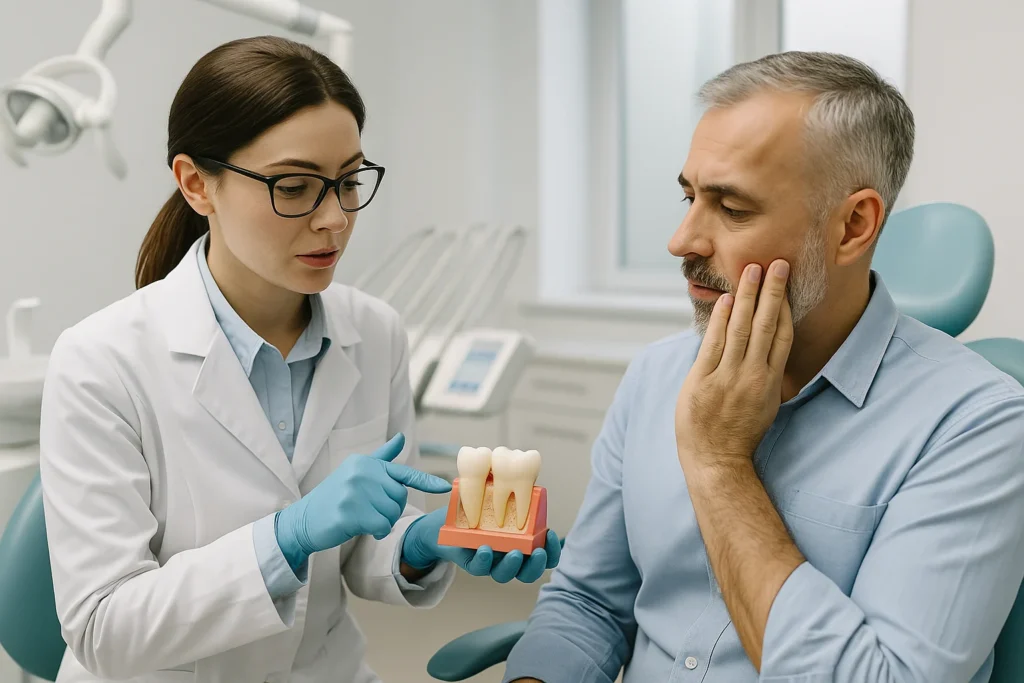
Understanding the bone grafting procedure can alleviate anxiety and prepare patients for what to expect.
Initial Consultation and Planning
The process begins with a thorough examination and consultation with a dental or maxillofacial surgeon. Imaging tests such as X-rays or CT scans are used to assess the extent of bone loss and plan the grafting procedure.
The Surgery
During the surgery, the surgeon will make an incision in the gum to access the bone beneath. The graft material is then placed at the site, and the area is stitched up to allow for healing. The procedure is typically performed under local anesthesia, with sedation options available for anxious patients.
Recovery and Aftercare
Recovery from bone grafting can vary depending on the extent of the procedure. However, most patients can expect some swelling and discomfort, which can be managed with pain medication and ice packs. It’s crucial to follow the surgeon’s aftercare instructions, which may include dietary restrictions and oral hygiene practices to ensure optimal healing.
Potential Risks and Considerations
While bone grafting is generally safe, as with any surgical procedure, there are potential risks and considerations:
- Infection: As with any surgery, there’s a risk of infection at the graft site. Proper care and antibiotics can mitigate this risk.
- Graft Rejection: Although rare, the body might reject the graft material. Choosing the appropriate graft type can minimize this risk.
- Nerve Damage: There is a slight risk of nerve damage, particularly in complex maxillofacial surgeries.
Patients should discuss these risks with their surgeon and weigh them against the benefits.
Conclusion
Bone grafting in emergency situations is a vital component of effective dental and maxillofacial care. Whether it’s supporting urgent implant procedures, aiding in jaw surgery recovery, or enhancing dental reconstruction efforts, bone grafting offers a path to restored function and aesthetics. By understanding its importance and the process involved, patients can make informed decisions and work with their healthcare providers to achieve the best outcomes for their oral health.