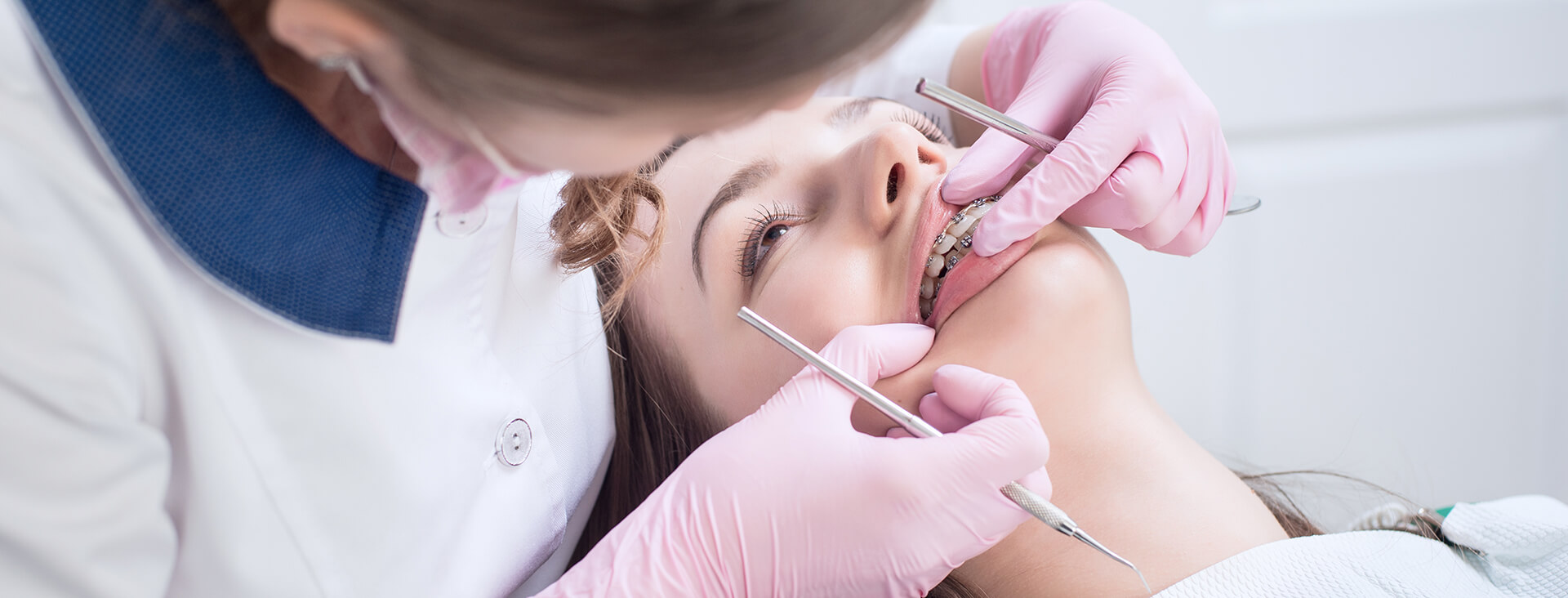
Dental emergencies in children can happen suddenly and often leave parents unsure of what to do next. A fall at school, a sports accident, or even biting into something hard can result in pain, bleeding, or visible tooth damage. When a child is involved, timing becomes critical—not only to relieve discomfort, but also to protect proper oral development.
Understanding when to act fast and how emergency care works for young patients helps parents make confident decisions during stressful moments.
Why Children’s Dental Emergencies Are Different
Children’s mouths are still developing, which makes them more vulnerable to injury. Primary teeth, jaw growth, and emerging permanent teeth all play a role in long-term oral health. Damage to a baby tooth may seem temporary, but it can affect speech development, chewing, spacing, and the health of the adult tooth forming beneath it.
That’s why dental injuries in children should never be ignored, even if the pain appears mild at first.
Common Causes of Dental Emergencies in Children
Kids are active, curious, and constantly learning through movement, which increases the risk of accidents. The most common causes include:
- Falls while running or playing
- Sports-related injuries without mouthguards
- Accidental collisions at school or daycare
- Biting hard foods or objects
- Tooth decay that weakens structure
- Rough play with siblings or friends
These incidents often lead to sudden pain, swelling, or visible damage that requires immediate evaluation.
Signs That Require Immediate Dental Attention
Not every dental issue is an emergency, but certain symptoms indicate the need for urgent care. Parents should seek help right away if they notice:
- Persistent or severe pain
- Bleeding that doesn’t stop
- Swelling of the face or gums
- A tooth that appears loose or displaced
- A chipped, cracked, or knocked-out tooth
- Changes in tooth color after an injury
- Difficulty eating or speaking
These signs may point to a pediatric dental emergency that needs prompt professional assessment.
Understanding Dental Trauma in Children
Dental trauma in children can affect both the teeth and the surrounding soft tissues. Injuries may include fractures, dislodged teeth, gum lacerations, or jaw impact. Even if a tooth looks intact, internal damage can still be present.
Early evaluation allows dentists to detect hidden issues, stabilize the tooth, and reduce the risk of long-term complications such as infection or improper tooth eruption.
What Parents Should Do Immediately After an Injury
Knowing how to respond in the first few minutes can make a significant difference. Here’s a clear action plan for parents:
Immediate Steps to Take
- Stay calm to help your child feel safe
- Rinse the mouth gently with clean water
- Apply light pressure with gauze if bleeding occurs
- Use a cold compress to reduce swelling
- Avoid giving hot or hard foods
- Do not attempt to reposition a damaged tooth
If a tooth is knocked out or fractured, professional care should be sought immediately.
Managing Pain While Waiting for Care
Children may struggle to describe pain, but their behavior often tells the story. Temporary relief measures for kids tooth pain include:
- Cold compresses on the cheek
- Soft, cool foods
- Age-appropriate pain relievers (as directed)
- Keeping the child from chewing on the injured side
Pain control helps keep the child comfortable but does not replace professional evaluation.
Why Prompt Treatment Matters
Delaying care can allow swelling, infection, or structural damage to worsen. Early tooth treatment helps preserve tooth structure, reduce discomfort, and prevent complications that could affect speech, chewing, or adult tooth development.
Even injuries involving baby teeth deserve attention, as untreated problems can influence alignment and spacing of permanent teeth.
When to See an Emergency Dentist for Kids
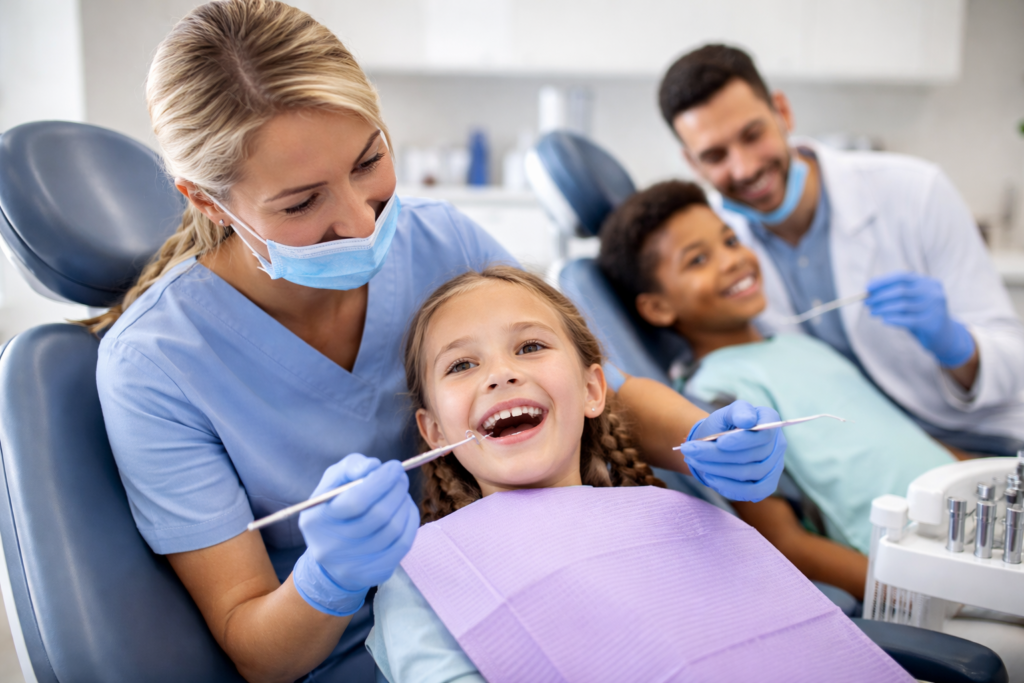
Children need specialized care delivered with patience, clear communication, and gentle techniques. An emergency dentist for kids understands how to evaluate trauma while keeping young patients calm and comfortable.
During an emergency visit, the dentist may:
- Perform gentle examinations and imaging
- Stabilize loose teeth
- Repair fractures or chips
- Treat soft-tissue injuries
- Monitor developing teeth for future impact
- Provide guidance for at-home care and follow-up
Early intervention often leads to simpler treatments and better outcomes.
How Emergency Dental Clinics Support Children
Emergency dental clinics are equipped to handle urgent situations quickly and efficiently. Pediatric-focused care ensures that children receive treatment tailored to their developmental stage and emotional needs.
Parents can expect:
- Fast evaluation and diagnosis
- Child-friendly explanations
- Pain-focused treatment plans
- Clear aftercare instructions
- Guidance on long-term monitoring
These factors help reduce fear and build trust with dental care early in life.
Preventing Future Dental Emergencies
While accidents can’t always be avoided, parents can reduce risk by taking preventive steps:
Prevention Tips for Parents
- Encourage mouthguards during sports
- Avoid hard foods that can crack teeth
- Schedule regular dental checkups
- Teach safe play habits
- Address cavities early
- Supervise younger children during meals
Prevention plays a major role in protecting children’s smiles.
Why Birmingham Emergency Dental Is a Trusted Choice
When children experience dental emergencies, parents need fast access to skilled, compassionate care. Birmingham Emergency Dental provides timely treatment, modern diagnostic tools, and a calm environment designed to support families during urgent situations.
The focus is always on relieving pain, protecting developing smiles, and helping children feel safe throughout the process.
Conclusion
Dental emergencies involving children can be frightening, but knowing when and how to act empowers parents to protect their child’s oral health. Prompt care reduces pain, prevents complications, and supports healthy dental development. With the right response and professional support, even stressful situations can lead to positive outcomes and confident smiles.