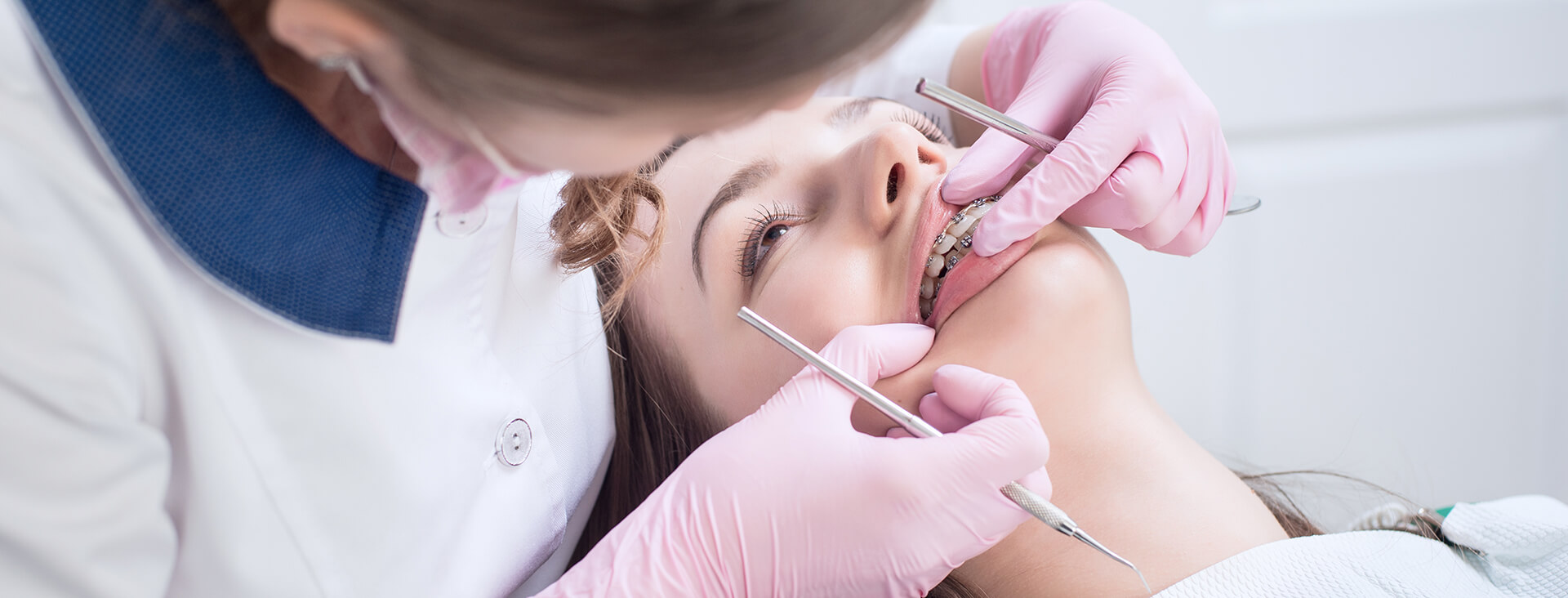
Children are naturally active, curious, and full of energy—which means dental accidents can happen when parents least expect them. From playground falls to sports mishaps, dental trauma in kids is more common than many realize. Knowing how to respond quickly and understanding the role of pediatric dental care can make the difference between saving a tooth and facing long-term oral complications.
When a dental emergency occurs, parents need clear, reliable guidance to protect their child’s smile and minimize stress.
Understanding the Importance of Pediatric Dental Emergencies
Unlike adults, children’s teeth—both primary and permanent—are still developing. This makes them more vulnerable to injury but also highly responsive to early intervention. Prompt treatment ensures that the injury does not interfere with long-term oral development, bite alignment, or overall comfort.
Seeking emergency pediatric dental care gives children the immediate attention they need while preventing infections, complications, and growth disturbances.
Common Types of Dental Injuries in Children
Knowing what type of injury your child is facing helps you respond appropriately. The most frequent accidents include:
- Chipped or fractured teeth
- Knocked-out teeth
- Loose or displaced teeth
- Cuts to lips, tongue, or gums
- Tooth pain after impact
- Damage caused by biting down on hard objects
Even baby teeth require careful evaluation, as trauma can affect the adult tooth growing beneath the gumline.
How to Recognize When a Child Needs Urgent Care
Some symptoms are clear, but others may be subtle. Parents should seek immediate help if their child experiences:
- Persistent pain after an injury
- Swelling around the mouth or cheeks
- A tooth that appears dark, loose, or cracked
- Bleeding that doesn’t stop
- Sensitivity to temperature changes
- Difficulty chewing or closing the mouth
Prompt attention from a pediatric dentist ensures the injury is evaluated with specialized tools and child-focused techniques.

What Parents Should Do Right After a Dental Injury
Your actions during the first few minutes can significantly affect the outcome. Here’s how to handle common situations:
1. For a Knocked-Out Permanent Tooth
- Find the tooth and pick it up by the crown, not the root.
- Rinse lightly with water—no scrubbing.
- Try to place it back into the socket if your child is calm enough.
- If not, store it in milk and head to the dentist immediately.
2. For a Broken or Chipped Tooth
- Collect the broken pieces.
- Rinse your child’s mouth with warm water.
- Apply a cold compress to reduce swelling.
3. For Soft-Tissue Injuries
- Apply gentle pressure with a clean cloth to stop bleeding.
- Use ice packs to reduce discomfort.
These steps offer initial protection but do not replace professional evaluation.
The Role of a Pediatric Dentist in Emergency Situations
Children require specialized care, especially when dealing with trauma. A trained pediatric dentist uses child-friendly communication, pain-management techniques, and behavior guidance to ensure the experience is as comfortable as possible.
During an emergency visit, the dentist may:
- Take digital X-rays
- Stabilize loose teeth
- Repair fractures
- Address soft-tissue injuries
- Provide protective coverings to prevent further damage
- Evaluate potential impact on permanent teeth
Early intervention helps safeguard developing smiles and reduces the likelihood of long-term complications.
Ensuring a Positive Experience for Your Child
A dental injury can be frightening, but with the right approach, parents can help children feel safe and supported. Staying calm, offering reassurance, and choosing a compassionate provider helps reduce anxiety.
Clinics that specialize in emergency pediatric dental care often use soothing language, gentle techniques, and comforting office environments to help children relax.
Preparing for Your Child’s First Appointment After an Injury
Accidents sometimes occur before a child’s scheduled introduction to the dentist. In these cases, the visit may also serve as the child’s first dental visit. Pediatric dental offices are trained to create positive first impressions, helping children develop trust and feel at ease even during an emergency.
Parents can help by:
- Explaining the visit in simple, reassuring terms
- Bringing comfort items like a favorite toy
- Avoiding scary or negative language
This fosters confidence and encourages long-term dental cooperation.
Preventing Dental Injuries in Children
While accidents can’t always be avoided, parents can reduce risk by:
- Encouraging the use of mouthguards during sports
- Supervising young children when eating hard foods
- Teaching safe play habits
- Keeping up with routine checkups to spot potential weaknesses
Healthy oral habits help make the mouth more resilient to injury.
Conclusion
Dental accidents happen fast, but with the right knowledge, parents can act confidently and protect their child’s smile. Seeking prompt pediatric dental care ensures injuries are treated quickly, safely, and with the specialized attention children need. Whether the incident involves a tooth fracture, soft-tissue injury, or unexpected impact, early evaluation helps prevent complications and promotes lasting oral health. Staying prepared empowers parents—and brings comfort and security to growing smiles.