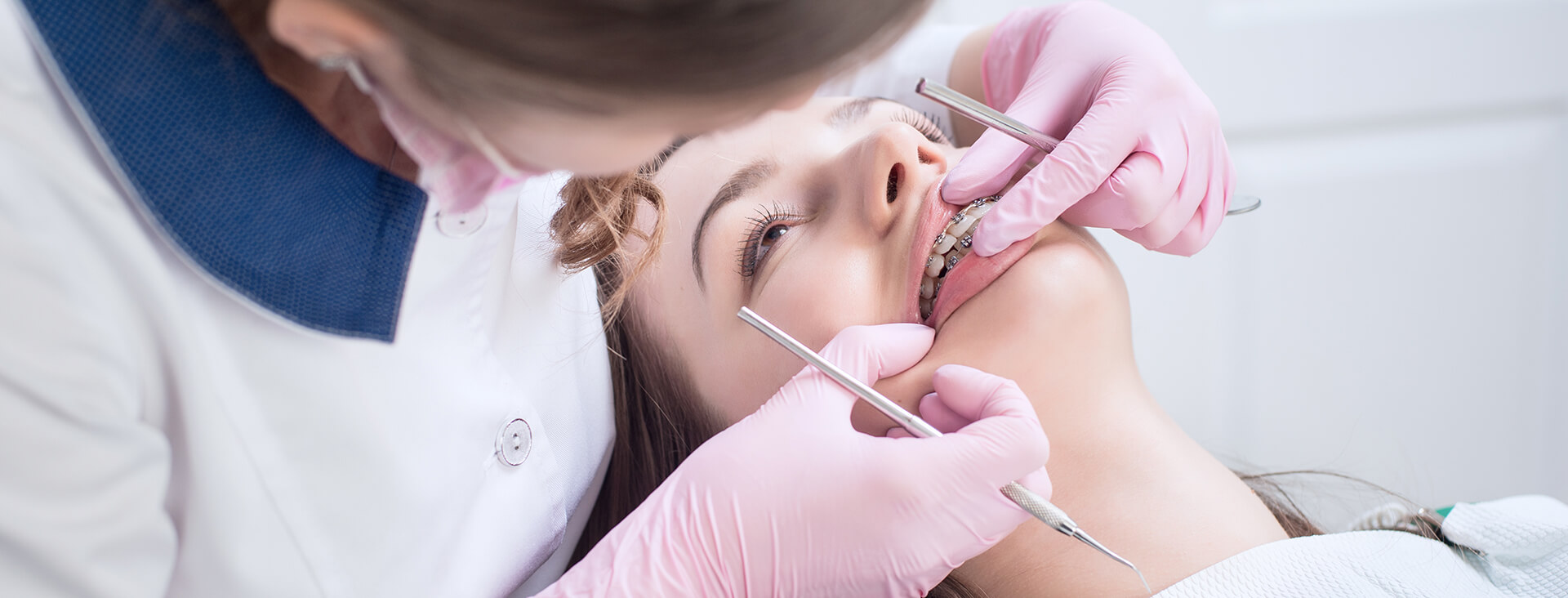
Jaw pain can be very annoying and can make it hard to do things like eat, talk, and even go about your day. An emergency dentist can often help with pain caused by a dental problem, an injury, or something more complicated. You’re not the only one who has jaw pain; a lot of people do at some point in their lives. But if the pain doesn’t go away, gets worse, or is linked to other symptoms like swelling or facial pain, you should see a doctor.
This blog will talk about what causes jaw pain, what TMJ symptoms are, how to tell if you have a jaw infection, and how an emergency dentist can help with these problems. Let’s talk about how to deal with facial pain and what you can do to keep your jaw healthy and pain-free.
What Causes Jaw Pain and How to Deal With It
There are many reasons why your jaw might hurt, from mild pain to serious health problems. To find the best treatment, you need to know what is causing the pain. Here are some of the most common reasons why your jaw hurts:
1. Problems with the Temporomandibular Joint (TMJ)
TMJ disorders are one of the most common reasons for jaw pain. The temporomandibular joint is the joint that connects your jaw to your skull. When this joint gets inflamed or stops working, it can cause a lot of problems, such as pain, clicking, and trouble moving the jaw. TMJ symptoms usually include:
- Pain in or around the ear
- Chewing is hard
- Stiffness in the jaw
When you move your jaw, it makes clicking or popping sounds.
2. Problems with teeth
Jaw pain can also be caused by dental issues like tooth decay, abscesses, or teeth that are not in the right place. An untreated cavity can lead to an infection that spreads pain to the jaw, for example. Impacted teeth or malocclusion (misaligned teeth) can also put too much pressure on the jaw, which can cause pain and discomfort.
3. Infection of the Jaw
If bacteria get into the jawbone or the area around the teeth, it can cause an infection. Infections can happen when dental problems like abscesses are not treated, or when the face or mouth is hurt. These infections can cause a lot of swelling, fever, and pain that is very bad.
4. Damage to the face
Trauma to the jaw can be very painful if you have hurt your face in a fall or car accident. Sometimes, the jaw may also break or dislocate, which needs immediate medical attention to stop more damage and ease the pain.
5. Teeth grinding (bruxism)
Bruxism, which is the act of grinding or clenching your teeth, is something that people often do without thinking about it, especially when they are sleeping. This can put a lot of stress on your jaw, which can cause jaw pain over time. It can also make TMJ symptoms worse and hurt your teeth.
How an emergency dentist can help with jaw pain
If your jaw pain doesn’t go away, one of the best things you can do is see an emergency dentist. Dentists are experts at finding and fixing problems with the teeth, gums, and jaw. Here are some ways that an emergency dentist can help you feel better and get you back to normal:
1. Evaluation and Diagnosis
When you go to an emergency dentist for jaw pain, the first thing they will do is check you out. The dentist will want to know when the pain started, how bad it is, and how long it has been going on. They will also check your jaw for swelling, pain, or signs of an infection. If necessary, they may take X-rays to get a better look at any problems with your teeth, gums, or jaw.
2. How to Treat TMJ Symptoms
If your jaw hurts because of TMJ dysfunction, your dentist will give you treatments to ease the stress on the joint. Some of these are:
- Jaw exercises to help with movement
- Mouthguards or splints to stop people from grinding their teeth
- Pain relief with drugs or hot and cold compresses
If your TMJ symptoms need more advanced care, an emergency dentist may send you to a specialist.
3. How to Handle a Jaw Infection
The dentist will focus on treating the infection right away if your jaw pain is caused by an infection, like a dental abscess or periodontal disease. This could mean:
- Draining the abscess to relieve pressure and get rid of the pus
- Antibiotics to get rid of the infection and stop it from spreading
If the infection is bad and has to do with a rotten tooth, you may need a root canal or to have the tooth pulled. It is very important to treat a jaw infection right away so that it doesn’t spread to other parts of your body and make your health worse.
4. Fixing and lining up teeth
An emergency dentist can help you fix the alignment of your teeth if they are causing your jaw pain. This might mean:
- Braces or clear aligners that slowly straighten teeth
- Fillings or crowns for teeth that are broken or damaged
- Bite changes to ease extra stress on your jaw
If your teeth are crooked or broken, going to the dentist can help relieve pressure on your jaw and get rid of pain.
5. Dealing with facial trauma
If you’ve hurt your face and have jaw pain, an emergency dentist can help you figure out how bad the injury is and give you immediate care. This could mean:
Putting the jaw in a splint or moving it
Repairing a broken bone with dental surgery
Using anesthesia or drugs to control pain
If you’ve broken or dislocated your jaw, you need to get treatment right away to stop more damage and problems from happening.
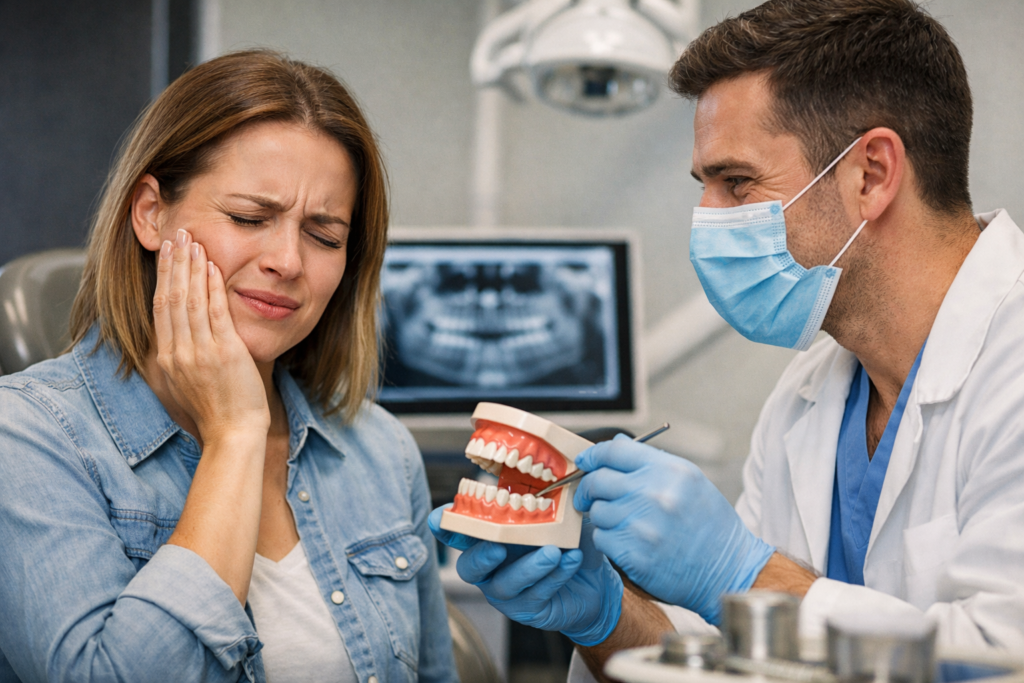
When to Call an Emergency Dentist
It’s time to see an emergency dentist if you have any of the following symptoms along with your jaw pain:
- Severe or getting worse pain that doesn’t go away with over-the-counter painkillers
- Redness or swelling around the jaw or face
- Hard time opening or closing your mouth
- A sound like clicking or popping when you move your jaw
- Fever, which could be a sign of an infection
- Recent injury or trauma to the face
If you’re not sure if your condition is a dental emergency, it’s better to be safe than sorry and see a professional. Quick treatment can stop damage from getting worse and help you get better faster.
How to Avoid Jaw Pain in the Future
You can’t always stop jaw pain from happening, but you can lower your chances of getting it by doing the following:
If you grind your teeth at night or play sports, wear a mouthguard. To keep your jaw and neck muscles from getting too tight, stand up straight. Don’t chew on hard things like ice or pens, which can hurt your jaw. Take care of your stress levels to lower the chances of grinding your teeth or clenching them at night. Get regular checkups at the dentist to catch any problems before they get worse.
Last Thoughts
It can be very frustrating to deal with jaw pain, but the good news is that an emergency dentist is there to help you when you need it most. If you have pain in your jaw, face, or teeth, or if you have TMJ symptoms, getting help from a professional right away can stop problems from getting worse and give you quick relief.
Call an emergency dentist right away if your jaw hurts or is uncomfortable. Don’t wait. If you treat facial pain early, you’ll have a better chance of getting better quickly and keeping your jaw healthy for years to come.