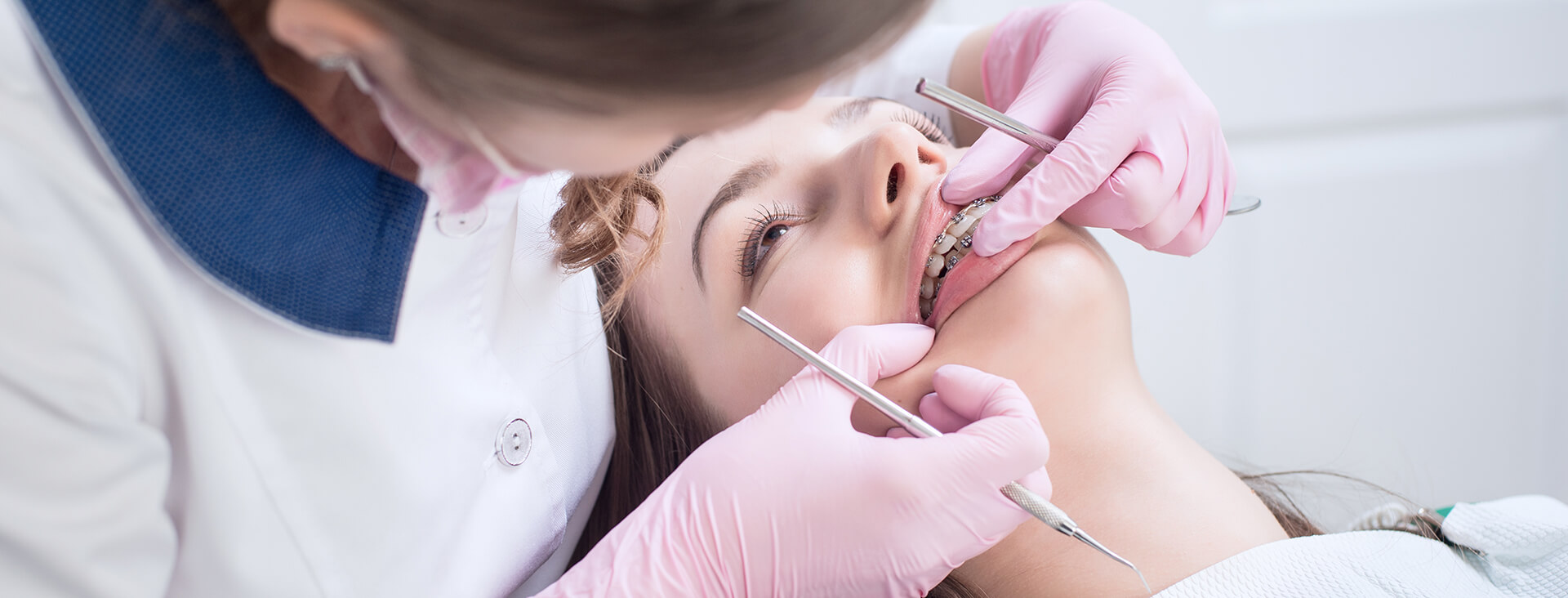
Maintaining good oral health is essential not only for a bright smile but also for your overall well-being. Dental emergencies can be painful and disruptive, often requiring immediate attention. However, by adopting specific habits and scheduling regular checkups, you can significantly reduce the risk of dental emergencies. This article will guide you through effective strategies and practices to keep your teeth and gums healthy.
Dental emergencies can range from severe toothaches and broken teeth to lost fillings and infections. Understanding what constitutes a dental emergency can help you respond effectively. Common dental emergencies include:
- Severe tooth pain
- Chipped or broken teeth
- Knocked-out teeth
- Lost fillings or crowns
- Abscesses or infections
Knowing how to prevent these situations can save you from discomfort and costly treatments.
Importance of Regular Dental Checkups
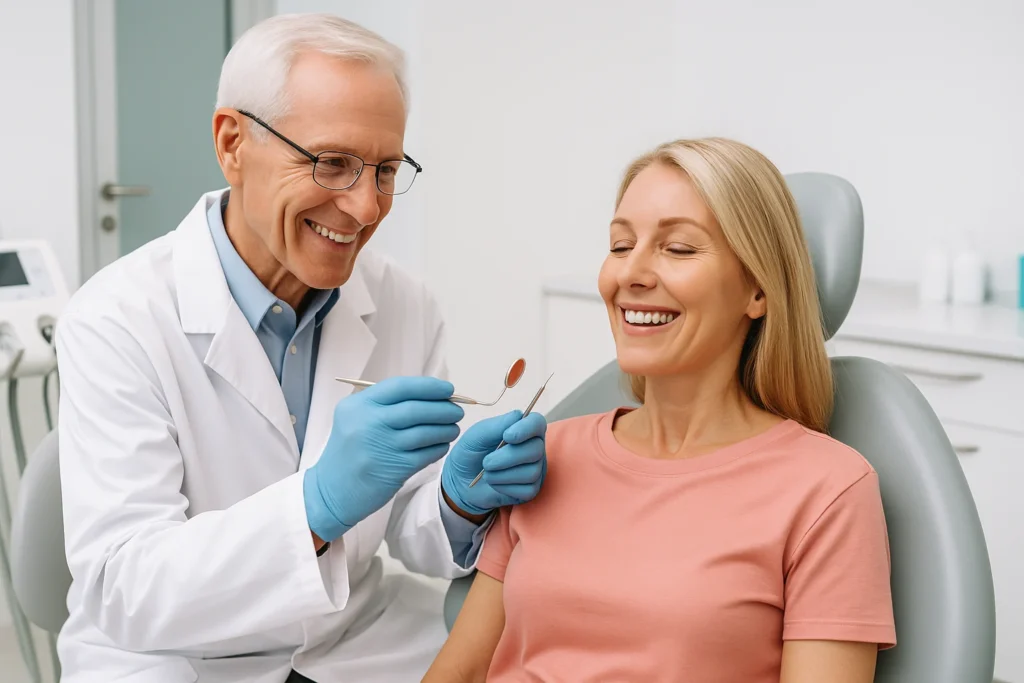
Regular dental checkups are crucial for maintaining oral health and preventing emergencies. Dentists can detect early signs of problems such as cavities, gum disease, or misaligned teeth. By addressing these issues early, you can avoid more severe problems down the line.
Benefits of Regular Checkups
- Early Detection of Issues: Dentists can identify potential problems before they escalate.
- Professional Cleaning: Removes plaque and tartar that regular brushing might miss.
- Oral Cancer Screening: Early detection is vital for successful treatment.
- Preventive Care Advice: Dentists provide personalized advice on oral hygiene practices.
Essential Habits to Prevent Dental Emergencies
Incorporating specific habits into your daily routine can protect your teeth and gums from damage and disease. Here are essential habits to adopt:
1. Maintain Good Oral Hygiene
Good oral hygiene is the foundation of a healthy mouth. It involves:
- Brushing Twice a Day: Use fluoride toothpaste and a soft-bristled toothbrush. Ensure you brush for at least two minutes.
- Flossing Daily: This removes food particles and plaque between teeth where a toothbrush can’t reach.
- Using Mouthwash: An antimicrobial mouthwash can reduce bacteria and freshen breath.
2. Eat a Balanced Diet
Your diet plays a significant role in oral health. Foods high in sugar and acid can erode tooth enamel and lead to cavities. To maintain strong teeth:
- Limit Sugary Foods and Drinks: Excessive sugar can lead to tooth decay.
- Consume Calcium-Rich Foods: Dairy products, leafy greens, and almonds strengthen teeth.
- Stay Hydrated: Water helps wash away food particles and bacteria.
3. Avoid Harmful Habits
Certain habits can increase the risk of dental emergencies:
- Avoid Using Teeth as Tools: Using teeth to open bottles or tear packages can cause them to chip or break.
- Quit Smoking: Smoking can lead to gum disease and oral cancer.
- Limit Alcohol Consumption: Alcohol can dry out the mouth, reducing saliva production and increasing the risk of decay.
Protective Measures for Active Lifestyles
For those with active lifestyles or who participate in sports, additional protective measures are necessary to prevent dental injuries.
Use Protective Mouthguards
Mouthguards are crucial for protecting teeth from trauma during sports. They cushion blows that could otherwise cause broken teeth, jaw injuries, or cuts to the mouth. Mouthguards should be:
- Custom-Fit: A dentist can provide a mouthguard that fits precisely, offering better protection.
- Worn During Activities: Ensure you wear it during all sports activities, whether practice or games.
Be Cautious with Hard Foods
Chewing on hard foods like ice, hard candies, or popcorn kernels can crack or chip teeth. Be mindful of what you eat and avoid biting down on hard objects.
When to Seek Emergency Dental Care
Despite best efforts, dental emergencies can still occur. Knowing when to seek emergency dental care is essential:
- Severe Pain: Persistent, intense pain is a sign that you need immediate attention.
- Swelling or Abscess: Swelling may indicate an infection that requires prompt treatment.
- Broken or Knocked-Out Teeth: Immediate care can save a tooth or prevent further complications.
Conclusion
Preventing dental emergencies involves a combination of good oral hygiene practices, regular dental checkups, and mindful habits. By adopting these strategies, you can protect your teeth and gums from harm and enjoy a healthy smile for years to come. Remember, your dentist is a valuable partner in maintaining oral health, so don’t hesitate to reach out for advice or treatment.
Taking proactive steps today can save you from pain and costly emergencies tomorrow. Make oral health a priority and keep your smile bright and healthy!