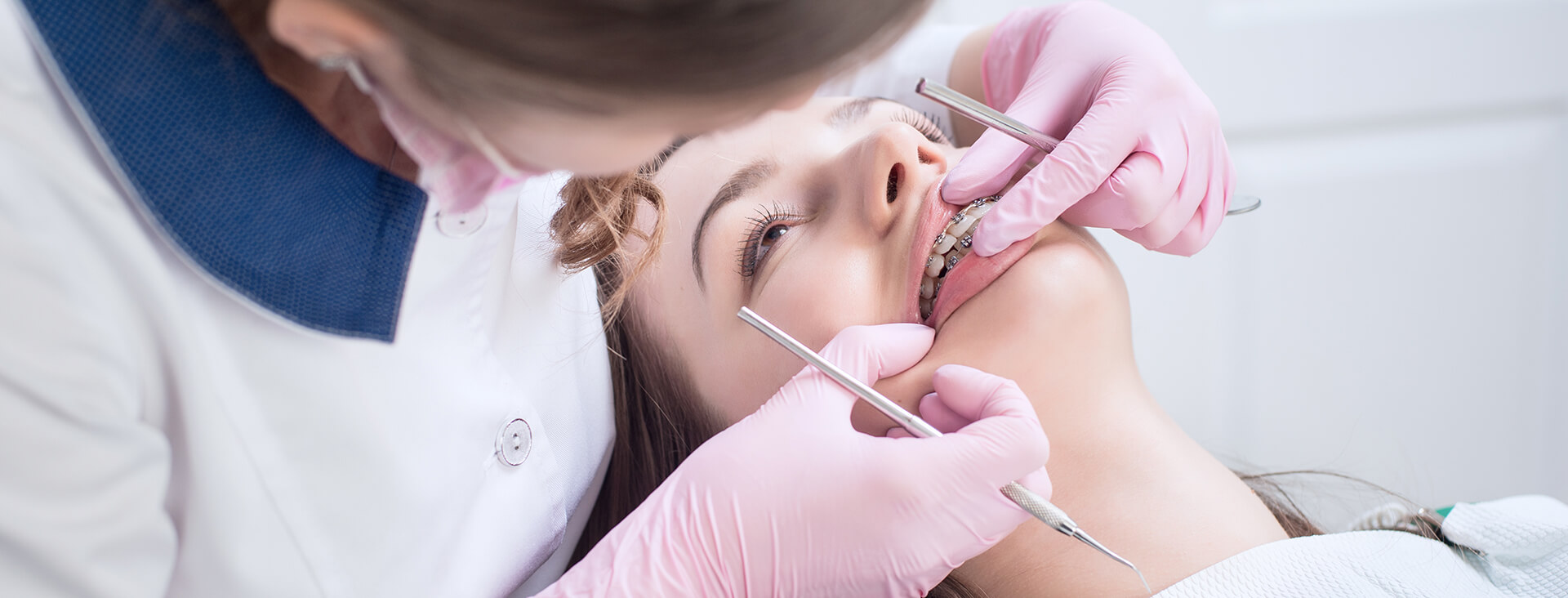
Sports are an essential part of an active and healthy lifestyle, but they also carry a risk of sudden dental injuries. From contact sports like football and basketball to recreational activities such as biking or skateboarding, accidents can happen in seconds. When they do, knowing how emergency dental professionals respond can make the difference between saving or losing a tooth.
Sports-related dental injuries are more common than many people realize, and they often require immediate professional attention. Acting quickly reduces complications, prevents long-term damage, and relieves pain faster.
Why Sports Dental Injuries Require Immediate Attention
A dental injury sustained during sports is rarely just cosmetic. Trauma to the mouth can affect nerves, bone structure, and surrounding soft tissues. Delaying care increases the risk of infection, tooth loss, and prolonged recovery.
An emergency dentist is trained to assess both visible and hidden damage, even when symptoms seem mild at first. What looks like a small chip or minor discomfort could actually signal deeper trauma.
Common Causes of Sports-Related Dental Injuries
- Direct impact from balls, elbows, or equipment
- Falls during cycling, skating, or running
- Collisions between players
- Accidents during high-speed or extreme sports
Types of Sports-Related Dental Trauma
Not all injuries look the same, and each requires a specific treatment approach. Understanding the different categories helps patients recognize when urgent care is needed.
Dental Trauma Involving Teeth
One of the most frequent issues is dental trauma, which can range from minor enamel damage to complete tooth displacement. This type of injury often affects the front teeth, making both function and appearance immediate concerns.
A severe tooth emergency may involve:
- Fractured roots
- Dislodged or knocked-out teeth
- Internal bleeding within the tooth
Chipped or Cracked Teeth
A chipped tooth sports injury may not cause immediate pain, but exposed dentin increases sensitivity and infection risk. Prompt repair prevents the damage from worsening.
Soft Tissue Injuries
Cuts to the lips, cheeks, and tongue often accompany dental trauma. Proper mouth injury treatment is essential to control bleeding and avoid infection.
How Emergency Dentists Diagnose Sports-Related Injuries
Diagnosis goes beyond visual inspection. Emergency dental providers use advanced tools to identify internal damage that may not be obvious right away.
Diagnostic Steps Include:
- Digital X-rays to assess roots and bone structure
- Bite tests to detect fractures
- Soft tissue examination for lacerations or swelling
- Evaluation of jaw alignment and nerve response
These steps ensure no injury is overlooked and help create a treatment plan tailored to the specific trauma.
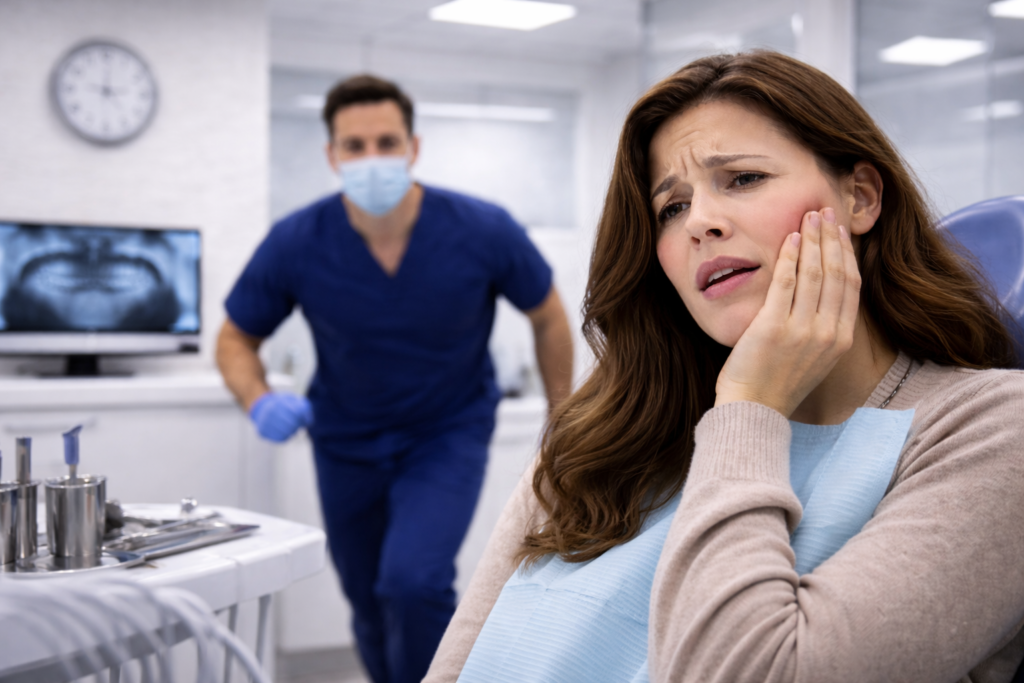
Emergency Treatment Options for Sports Injuries
Treatment depends on the severity and type of injury. Emergency dentists focus on stabilizing the area, relieving pain, and preserving natural teeth whenever possible.
Common Emergency Dental Treatments
- Repositioning and splinting displaced teeth
- Temporary or permanent restorations
- Root canal therapy for nerve damage
- Soft tissue suturing
- Infection control and medication
In cases of extensive trauma, follow-up visits are often required to monitor healing and complete restorative procedures.
When Sports Injuries Lead to Facial Trauma
Dental injuries don’t always stop at the teeth. Impact can radiate through the jaw and face, leading to swelling, bruising, or fractures. These symptoms should never be ignored, as they may indicate deeper structural damage.
Emergency dental professionals are trained to recognize when dental trauma overlaps with broader facial injuries and can coordinate care with other medical providers if necessary.
Recovery and Aftercare Following Dental Trauma
Healing after a sports-related dental injury requires proper aftercare. Following professional instructions reduces recovery time and lowers the risk of complications.
Aftercare Tips
- Avoid chewing on the injured side
- Stick to soft foods during recovery
- Maintain excellent oral hygiene
- Attend all follow-up appointments
- Monitor for increased pain or swelling
Consistent care ensures the best long-term outcome.
Preventing Future Sports-Related Dental Injuries
While accidents can’t always be avoided, prevention plays a critical role in reducing risk. Many injuries treated in emergency settings could have been prevented with simple protective measures.
Effective Dental Injury Prevention Strategies
- Wear custom-fitted mouthguards during sports
- Replace damaged protective gear promptly
- Follow safety guidelines for recreational activities
- Schedule regular dental checkups
Proper dental injury prevention not only protects teeth but also reduces the likelihood of costly and painful emergency treatments.
Why Immediate Emergency Dental Care Matters
Time is critical when dealing with sports-related dental injuries. The sooner treatment begins, the greater the chance of saving natural teeth and preventing long-term complications. Emergency dental care provides fast diagnosis, effective pain relief, and targeted treatment when it matters most.
Ignoring symptoms or waiting too long can turn a manageable injury into a permanent problem.
Conclusion
Sports-related dental injuries can happen unexpectedly, but fast and professional care makes all the difference. Whether the injury involves teeth, soft tissues, or surrounding structures, immediate evaluation ensures proper healing and protects long-term oral health. Knowing when and where to seek emergency dental care empowers athletes and families to act confidently when accidents occur, helping preserve smiles and prevent future complications.