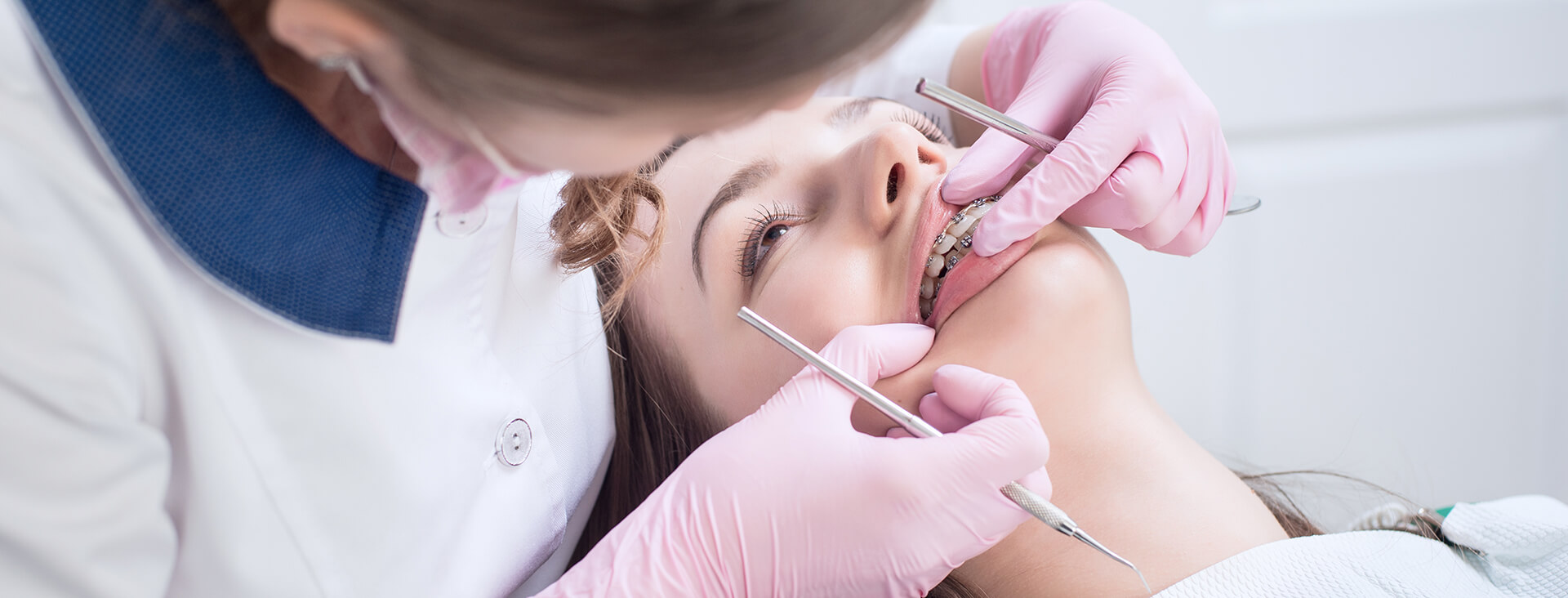
Experiencing a dental emergency can be a frightening experience. Whether it’s a sudden toothache, a knocked-out tooth, or another urgent dental issue, knowing what to do in the moment can make all the difference in preserving your oral health.
In this article, we’ll explore steps you can take during a dental emergency, how to find an emergency dentist near you, and what to expect from urgent dental care.
A dental emergency is any situation that requires immediate attention to save a tooth, stop bleeding, or alleviate severe pain. It’s important to know which situations qualify as emergencies so you can seek prompt treatment.
Common Dental Emergencies
- Severe Toothache: Intense, persistent pain in a tooth can indicate an underlying issue such as decay or infection.
- Knocked-Out Tooth: Immediate action is crucial to save the tooth. Place it in milk or hold it in your cheek until you reach a dentist.
- Chipped or Broken Tooth: Depending on the severity, this might require urgent care to prevent further damage.
- Lost Filling or Crown: Leaving a tooth unprotected can lead to further damage or infection.
- Abscess: A painful, swollen area in the gums or around a tooth that can lead to serious infections if not treated.
Immediate Steps to Take
When a dental emergency occurs, taking the right steps before reaching a dentist can help alleviate pain and prevent further damage.
For Toothache Relief
- Rinse your mouth with warm water to clean it out.
- Use dental floss to remove any food particles stuck between your teeth.
- Apply a cold compress to the outside of your cheek to reduce swelling.
- Avoid placing aspirin or other painkillers directly against the gums, as they can cause burns.
For a Knocked-Out Tooth
- Handle the tooth by the crown, not the root, to prevent damage.
- Rinse the tooth gently with water if it’s dirty, but do not scrub it.
- If possible, try to place the tooth back in its socket. If not, store it in milk or your saliva.
For a Chipped or Broken Tooth
- Rinse your mouth with warm water.
- Save any pieces of the tooth, and rinse them with water.
- Apply a cold compress to your face to reduce swelling.
For a Lost Filling or Crown
- Use dental cement or a piece of sugarless gum to temporarily seal the cavity if a filling is lost.
- If a crown is dislodged, try to slip it back over the tooth using dental adhesive.
Finding an Emergency Dentist Near You
In the event of a dental emergency, finding an emergency dentist quickly is crucial. Here are some tips on how to locate one.
Use Online Resources
Search for “emergency dentist near me” using online search engines or dental care websites. Many dental clinics have emergency services and can accommodate same-day appointments.
Contact Your Regular Dentist
If you have a regular dentist, call their office even if it’s outside normal working hours. Many practices have an on-call dentist for emergencies or an answering service that can direct you to urgent care.
Visit an Urgent Dental Care Clinic
Urgent care clinics are equipped to handle dental emergencies. They can provide immediate relief and help you find a permanent solution to your dental issue.

What to Expect at an Emergency Dental Appointment
When you arrive for emergency dental care, the dentist will first assess your situation to determine the severity of the problem.
Initial Examination
The dentist will conduct a thorough examination of the affected area. This may include taking X-rays to identify the underlying issue.
Treatment Options
Depending on the diagnosis, the dentist will discuss your treatment options. These may include:
- Filling or sealing a cavity
- Replacing a lost crown or filling
- Performing a root canal to treat an infection
- Extracting a severely damaged tooth
Pain Management
If you’re in pain, the dentist will provide appropriate pain relief measures. This may include local anesthesia, over-the-counter pain relievers, or prescription medication.
Preventing Future Dental Emergencies
While not all dental emergencies can be prevented, taking care of your oral health can reduce the risk. Here are some preventive measures:
Regular Dental Checkups
Visiting your dentist regularly helps catch problems early before they become emergencies.
Practice Good Oral Hygiene
Brushing and flossing daily can prevent decay and gum disease, reducing the likelihood of sudden dental issues.
Use Protective Gear
If you play contact sports, wearing a mouthguard can protect your teeth from injury.
Avoid Hard Foods
Chewing on hard foods like ice, popcorn kernels, or hard candy can crack or chip teeth. Try to avoid these to protect your teeth.
Conclusion
Dental emergencies can happen at any time, and knowing what to do can save your teeth and prevent further complications. Remember to act quickly, find an emergency dentist, and follow your dentist’s advice for treatment and prevention.
Stay informed and prepared so you can handle any dental emergency with confidence. By prioritizing your oral health, you can reduce the risk of emergencies and maintain a healthy, pain-free smile.