
One of the most painful dental problems you could have is an infection in a tooth. Infections can be very painful and, if not treated, can lead to more serious problems. They can happen because of a small cavity that has gotten worse or because of trauma to the tooth. If you think you might have a tooth infection, it’s important to know what the symptoms are, what causes them, and what treatments are available to stop them in their tracks. Birmingham Emergency Dental is dedicated to getting you the care you need as soon as possible, whether you have a tooth emergency or a bad dental abscess. Let’s talk about the specifics of tooth infections, how to spot them, and what you can do to treat them effectively.
What is an infection in a tooth?
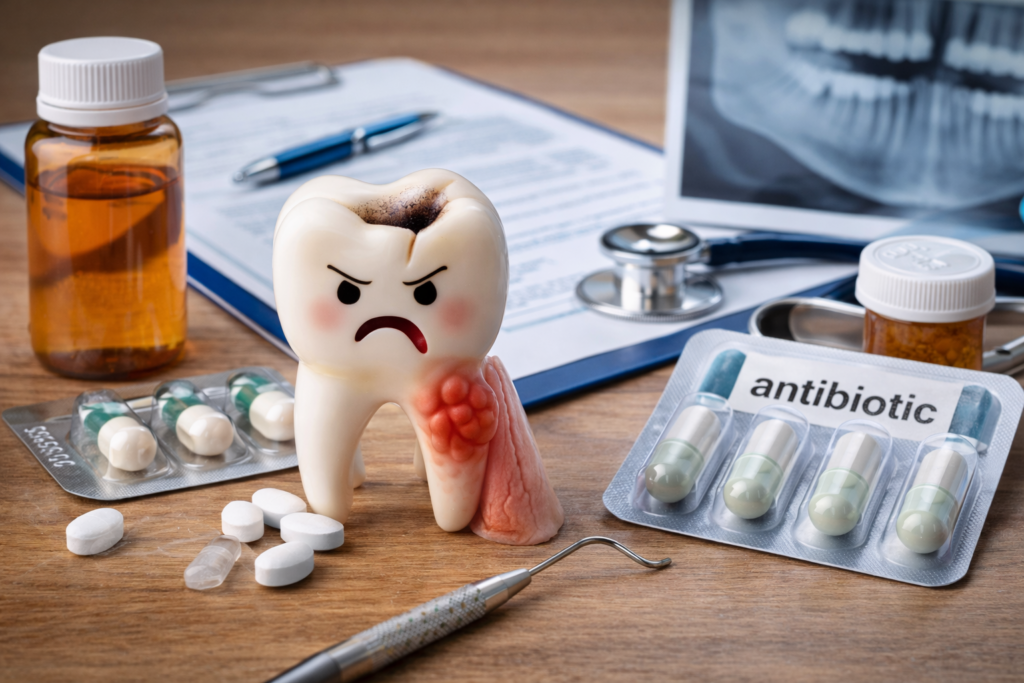
When bacteria get into the tooth’s outer layer and reach the pulp, which is the soft tissue inside the tooth that has nerves and blood vessels, this is called a tooth infection. This usually happens when cavities, cracks in the teeth, or trauma that lets bacteria get into the tooth are not treated. Once the infection gets inside, it can spread and cause a lot of pain, swelling, and even tooth loss.
A dental abscess, which is a pocket of pus caused by an infection, can also form as a result of an infection. A tooth abscess is usually very painful and needs to be treated right away by an emergency dentist to avoid serious problems.
How to Tell If You Have a Tooth Infection
It’s important to know the signs of a tooth infection so you can get the right treatment before it gets worse. Some common signs of a tooth abscess that could mean an infection are:
Severe Tooth Pain: One of the first signs of a tooth infection is pain that is very strong and throbbing, and it may be constant or come and go. When you chew or touch the tooth that hurts, the pain can get worse.
Swelling and Redness: When teeth are infected, the gums around them may swell and look red and inflamed. This swelling could move to the face or jaw.
Fever: A fever is a common sign of an infection because your body is trying to fight off the bacteria that are causing the problem.
Bad Breath or Taste: The pus from the infection can make your mouth smell or taste bad, which is a clear sign that something is wrong.
Sensitivity: The tooth that is affected may hurt when you eat or drink hot or cold things. The sensitivity may be so bad that even a little bit of heat or cold can cause a lot of pain.
Bumps that look like pimples: Sometimes, an abscess will cause a bump that looks like a pimple to form near the affected tooth. This bump is usually full of pus. This is how your body tries to get rid of the infection.
Painful swallowing or trouble breathing: In rare cases, the infection can spread to the throat, making it hard to breathe or swallow. If you have any of these symptoms, you should see an emergency dentist right away.
What Makes Tooth Infections Happen
It doesn’t happen overnight that you get a tooth infection. There are usually a number of things that lead to it, such as:
Untreated Cavities: If you don’t treat a cavity, it can get deeper into the tooth, letting bacteria get to the pulp and cause an infection.
Trauma: If a tooth is cracked or broken, bacteria can get in and cause an infection. This is why you should get even small dental injuries treated right away.
Gum disease: Not brushing and flossing your teeth can cause gum disease, which can make pockets in your gums where bacteria can grow and infect your teeth.
Previous Dental Work: After dental work like fillings or root canals, infections can happen if the work wasn’t done properly or if bacteria got into the area during the procedure.
How an Emergency Dentist Can Help with Dental Abscess Treatment
If a tooth infection gets bad enough to cause a dental abscess, it needs to be treated right away to stop the infection from spreading. An emergency dentist usually treats a dental abscess like this:
Draining the Abscess: The first thing you need to do to treat a dental abscess is to get rid of the pus and relieve the pressure in the area. This could mean making a small cut in the abscess or using a needle to suck out the fluid.
Antibiotics: The dentist will often give you antibiotics to help get rid of the infection. This is very important if the infection has spread beyond the tooth or if the patient’s immune system is weak.
Root Canal Therapy: If the infection is only in the tooth pulp, a root canal may be needed to get rid of the infected tissue and seal the tooth. This procedure can help keep the tooth from getting worse and stop the infection from spreading.
Tooth Extraction: If the tooth is very infected and can’t be saved, the dentist may have to take it out completely. This is usually a last resort, but it might be necessary to keep the other teeth and gums safe.
Pain Relief: The dentist may also give you painkillers to help you feel better while you recover from the abscess and the infection.
How to Keep Your Teeth From Getting Infected
It’s much easier to keep a tooth from getting infected than to treat one. Here are some things you can do to keep your teeth healthy and infection-free:
To avoid cavities and gum disease, which can both lead to infections, you should brush your teeth twice a day with fluoride toothpaste, floss every day, and use mouthwash.
Regular Visits to the Dentist: Regular visits to the dentist for checkups and cleanings can help find problems early on, before they turn into infections. Your dentist can also see signs of gum disease, cavities, and other problems that could lead to a tooth emergency.
Get Cavities Fixed Right Away: If you have a cavity, get it fixed right away. One of the most common reasons for tooth infections is not treating cavities.
Stay away from acidic and sugary foods: Limiting how much sugar and acid you eat can help stop the decay that causes tooth infections. These things give bacteria that cause cavities and gum disease food.
Wear a Mouthguard: Always wear a mouthguard when you play contact sports to keep your teeth safe. Even small chips and cracks can cause infections over time.
When to Call an Emergency Dentist for a Toothache
You should act quickly if you think you have a tooth infection. Don’t wait for the symptoms to get worse or try to treat the infection on your own. If you see any of the following, call your dentist right away:
- Severe or long-lasting tooth pain
- Swelling in the face or gums
- A bump on the gums that looks like a pimple and is full of pus
- Having trouble breathing or swallowing
- Fever
An emergency dentist can look at the problem and figure out the best way to stop the infection from spreading.
Final Thoughts
It’s never fun to have a tooth infection, but knowing the signs and how to treat it can help you or someone you care about get the help they need when they need it. Getting quick care from an emergency dentist is the best way to avoid problems like abscesses or having to have teeth pulled. Good oral hygiene and regular trips to the dentist are the best ways to protect your teeth from infections. If you have any of the symptoms listed, don’t wait to call an emergency dentist for help. Taking care of your teeth is an investment in your health, so do something today to avoid dental emergencies in the future!