Sometimes it’s not the pain that alarms you first. It’s the mirror. You wake up. You glance at your reflection. And one side of your face looks… different. Puffy. Tight. Uneven.
That kind of facial swelling doesn’t usually appear without a reason. And when it’s connected to your mouth, it’s rarely something to “wait out.”
At Birmingham Emergency Dental, we treat these situations seriously — because swelling is often a sign that pressure and infection are building beneath the surface.
Let’s talk about why that matters.
Swelling Is Pressure Looking for Space
Teeth sit in bone. Bone doesn’t expand easily.
So when bacteria invade and inflammation builds, pressure has nowhere to go.
That’s when you start seeing visible changes.
A true dental emergency involving swelling may include:
- Tightness along the jaw
- Tenderness when touching the cheek
- Difficulty opening your mouth fully
- Warmth in the affected area
- Gum puffiness near a specific tooth
- Pain when chewing
Sometimes the discomfort is moderate.
Sometimes it’s intense.
But visible swelling is never random.
What Causes Infection to Spread
Most serious cases begin with something small:
- An untreated cavity
- A cracked tooth
- Deep gum disease
- A failing restoration
- Trauma that exposed the pulp
When bacteria reach the inner nerve chamber, they multiply. If untreated, the infection can extend beyond the tooth root and into surrounding tissue. That’s when dental infection swelling becomes noticeable. And when it does, timing becomes critical.
How to Recognize Oral Infection Symptoms
Not all swelling is dramatic.
Sometimes it starts subtly.
Common oral infection symptoms include:
- Persistent bad taste
- Fever
- Swollen lymph nodes in the neck
- Throbbing discomfort
- Gum redness
- Drainage near the tooth
- Sensitivity that feels deep and constant
If these signs accompany swelling, the issue is likely active — not resolving.
And infections rarely improve without treatment.
When Swelling Moves Beyond the Tooth
There’s a difference between localized gum irritation and swelling from tooth infection that spreads into facial spaces.
When bacteria move past the root tip, they can enter soft tissue compartments.
That’s when patients may notice:
- Cheek enlargement
- Eye area puffiness
- Jaw stiffness
- Difficulty swallowing
- Increased pressure when lying down
At this stage, it’s not just dental discomfort.
It’s systemic risk.
Why Infection Can Escalate Quickly
Oral infections don’t always follow a slow timeline. In some cases, tooth infection spreading can occur within days.
Factors that accelerate progression include:
- Weakened immune system
- Delayed treatment
- Deep decay near the nerve
- Impacted teeth trapping bacteria
- Existing periodontal disease
Once bacteria enter facial tissues, the body responds aggressively. Swelling increases as immune cells rush to fight the infection. That response causes pressure. And pressure causes pain.
Why You Shouldn’t Wait It Out
Some patients hope swelling will subside on its own. Occasionally, inflammation fluctuates temporarily. But untreated infection often leads to:
- Abscess formation
- Severe pain
- Airway risk in rare advanced cases
- Bone destruction
- Tooth loss
- Systemic illness
When swelling is visible externally, it usually means the infection has moved beyond early stages. Waiting can make treatment more invasive. Acting early preserves structure.
What Happens During Emergency Evaluation
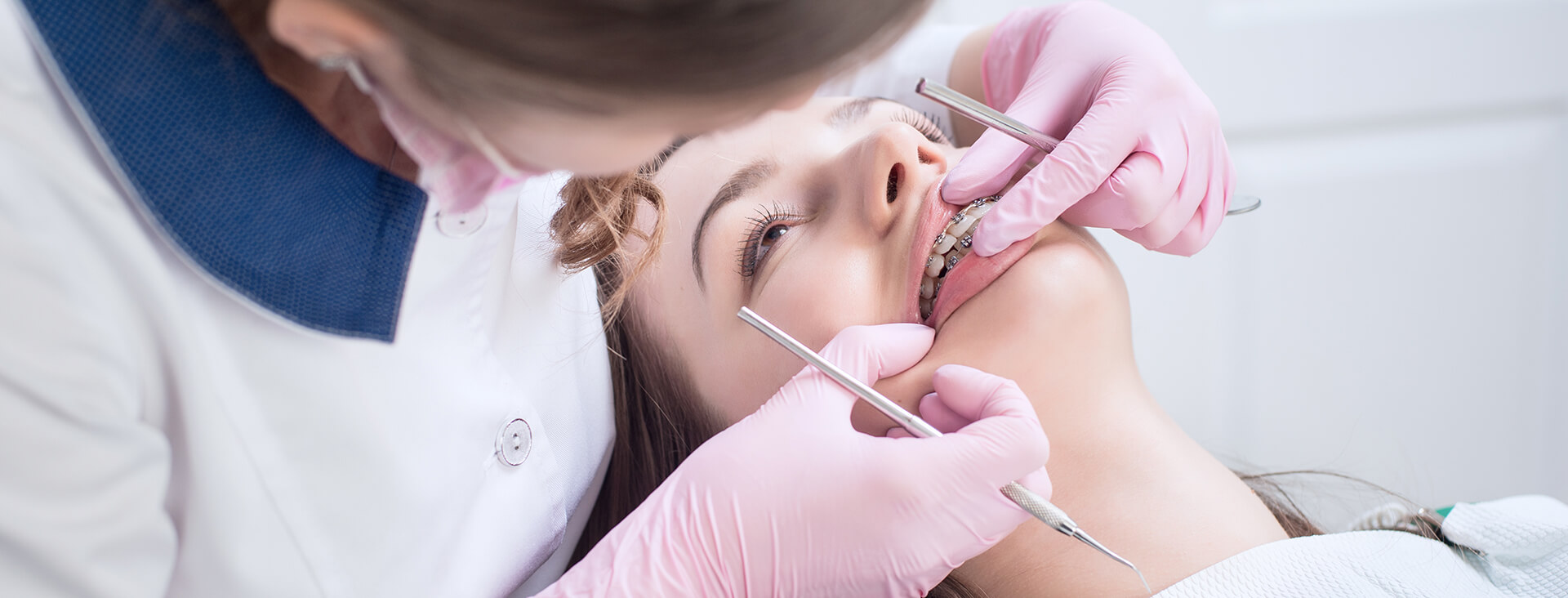
When you arrive at Birmingham Emergency Dental with facial enlargement, we assess immediately.
We evaluate:
- Location and extent of swelling
- Airway safety
- Temperature and systemic signs
- Tooth vitality
- Radiographic imaging for abscess presence
- Bone involvement
If infection is confirmed, dental infection treatment may include:
- Drainage of abscess
- Root canal therapy
- Extraction of non-restorable teeth
- Antibiotic therapy
- Pain management
- Follow-up monitoring
Relief often begins quickly once pressure is reduced. But definitive treatment is what prevents recurrence.
The Connection Between Swelling and Overall Health
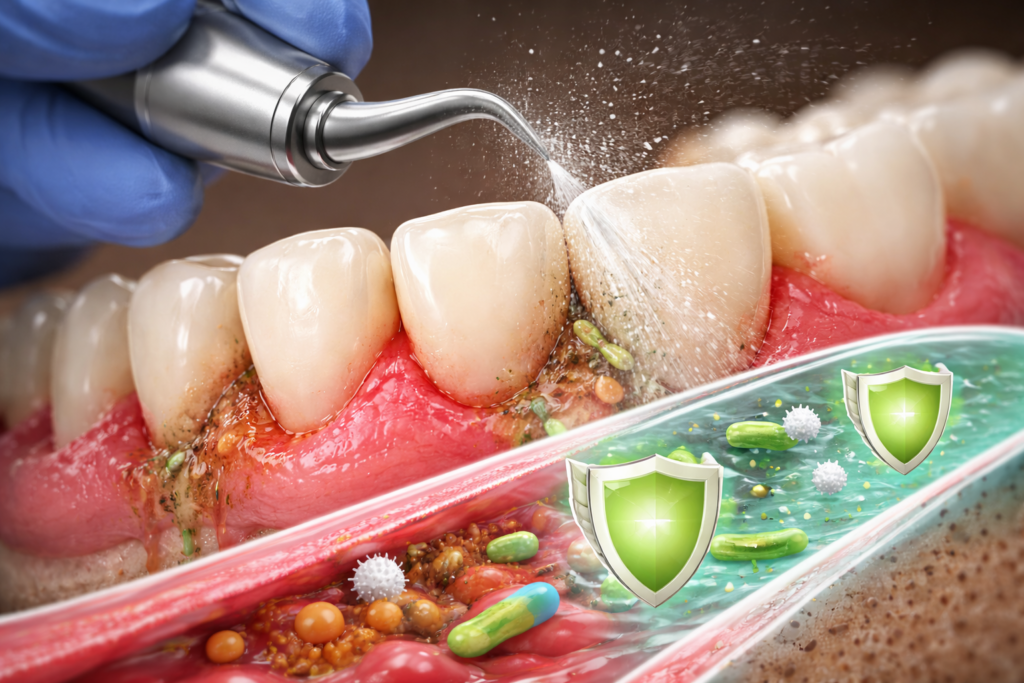
Oral infections aren’t isolated to the mouth. If untreated, bacteria can enter the bloodstream. That’s why significant swelling accompanied by fever should never be ignored.
Potential complications include:
- Cellulitis
- Spread into deeper facial spaces
- Hospitalization in severe cases
- Systemic inflammatory response
While extreme complications are rare, early intervention makes them even rarer. Prompt care dramatically reduces risk.
What You Can Do Before Being Seen
If swelling begins suddenly:
- Stay upright
- Apply a cold compress externally
- Avoid heat
- Do not attempt to pop or drain the area
- Avoid pressure on the swollen side
- Call immediately for professional evaluation
Heat can increase blood flow and worsen swelling. Pressure can push infection deeper. Professional care is the safest route.
Prevention: Stopping Infections Before They Spread
Many swelling emergencies begin with minor symptoms that were ignored.
Prevention strategies include:
- Treating cavities early
- Addressing cracks promptly
- Replacing failing restorations
- Scheduling regular exams
- Monitoring gum health
- Seeking care at the first sign of persistent pain
The earlier infection is treated, the less dramatic the solution. Small interventions prevent large complications.
Why Emergency Dentistry Exists for This
Visible swelling is not cosmetic. It’s structural.
Emergency dental care focuses on:
- Stopping infection progression
- Protecting surrounding tissues
- Reducing inflammation safely
- Preserving natural teeth
- Preventing systemic spread
When swelling appears, the goal is stabilization first — restoration second. Because protecting health comes before everything else.
Strategic Benefits of Immediate Care
Seeking prompt attention helps:
- Minimize tissue damage
- Preserve bone integrity
- Avoid hospitalization
- Reduce recovery time
- Lower treatment complexity
- Improve comfort quickly
- Protect overall health
Time changes outcomes. Early treatment simplifies them.
Conclusion
Facial swelling linked to a tooth is never just cosmetic. It’s your body signaling that pressure and infection are building. Responding quickly protects more than your smile — it protects surrounding tissue, structural stability, and overall health.
When something changes visibly, it’s worth acting immediately. Because the earlier infection is controlled, the easier recovery becomes. And when it comes to swelling, waiting rarely makes things better.